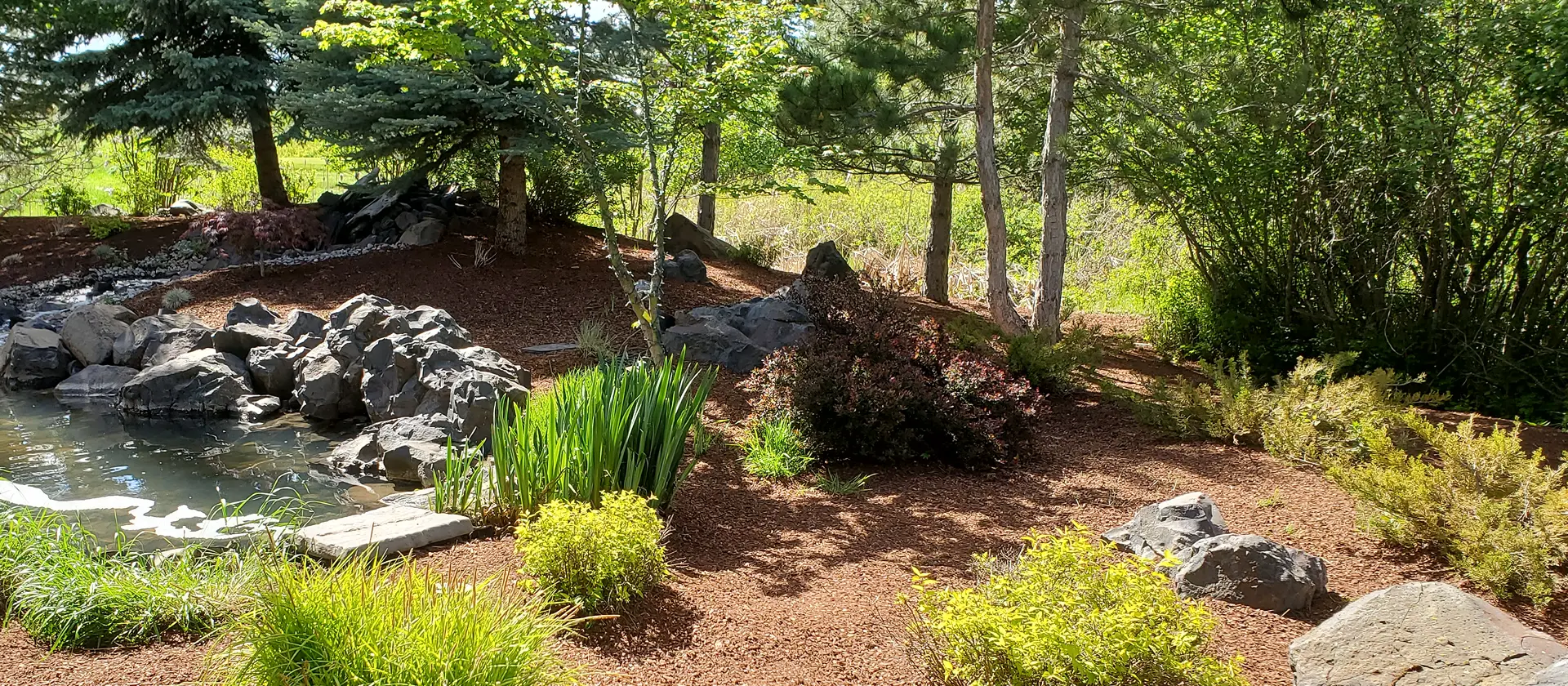
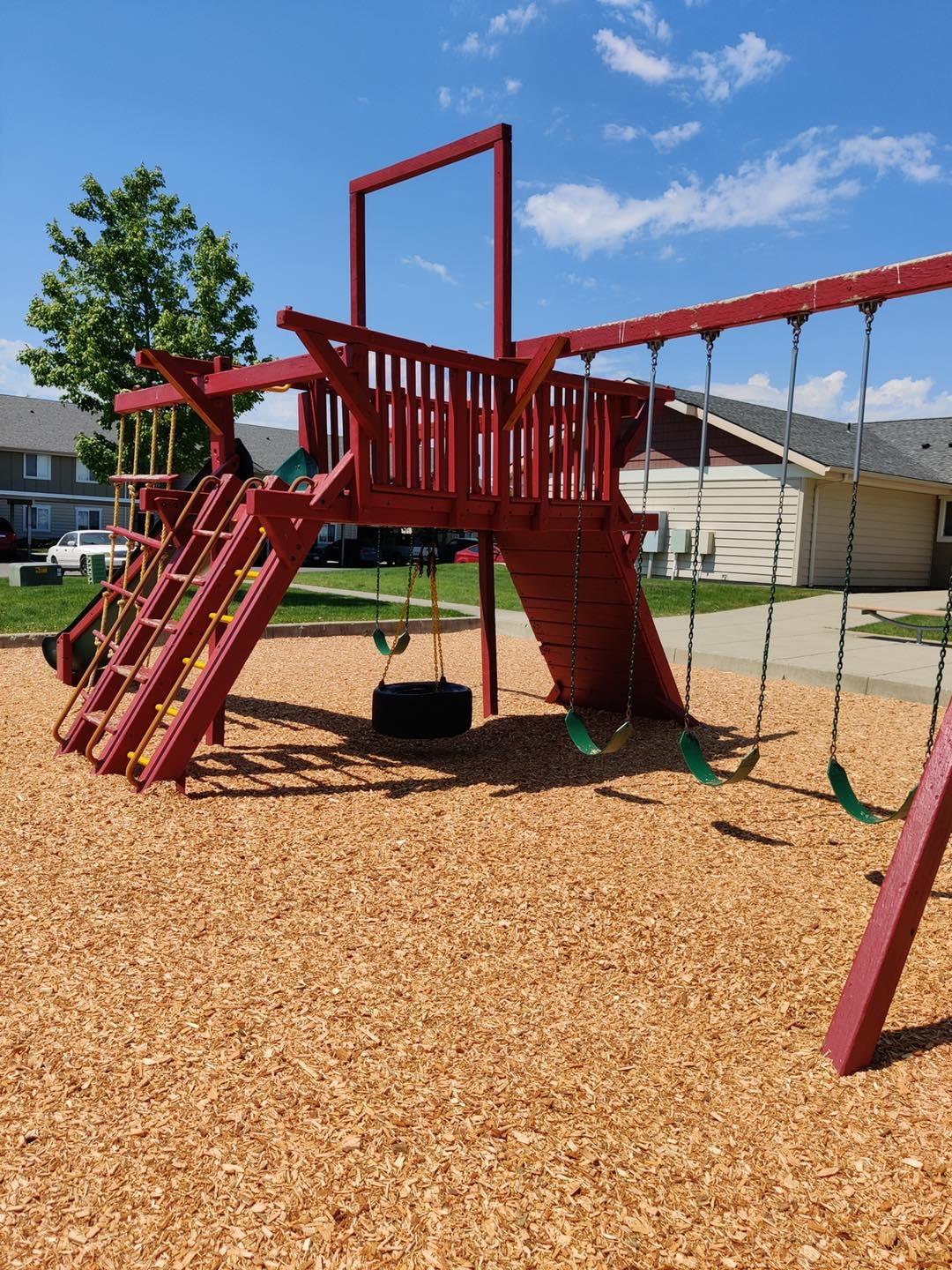
A playground surface is more than a layer of wood chips. For schools, parks, churches, HOAs, apartment communities, daycares, and commercial properties, the material under play equipment becomes a safety system.
When a child falls, the surface has one job: absorb impact before that fall becomes a serious head, neck, or body injury.
At Alpine Bark Blowing, we help property owners, contractors, and facility managers across North Idaho and Eastern Washington choose safer bulk materials for play spaces. Our wood chips page includes IPEMA Certified Playground Wood Chips and Compliant Playground Wood Chips made from virgin wood, never used pallets or construction debris.
For anyone searching certified playground wood chips, playground surfacing material, IPEMA certified mulch, playground safety compliance, or bulk wood chips, this guide explains why certified surfacing matters and how fall-height standards affect risk management.
Why Playground Surfacing Compliance Matters
Playground owners have a duty to provide a reasonably safe play environment. Equipment design matters, but the surface below the equipment often determines how severe a fall becomes.
CPSC guidance defines “critical height” as the maximum fall height where a given depth of loose-fill surfacing can be expected to protect against a life-threatening head injury. CPSC also warns that critical height can be reduced by compaction, deterioration, poor drainage, freezing, weather, and lack of maintenance.
That means playground safety compliance is not a one-time purchase. It depends on choosing the right product, installing enough material, maintaining proper depth, and replacing displaced or compacted surfacing as needed.
IPEMA Certified Mulch: What the Certification Means
IPEMA stands for the International Play Equipment Manufacturers Association. Its certification program uses third-party validation for playground equipment and surfacing products. IPEMA certifies surfacing to standards that include ASTM F1292 for impact attenuation, ASTM F3351 for shock absorption at a specific impact height, and ASTM F2075 for engineered wood fiber used under and around playground equipment.
For commercial playground owners, that matters because not every wood product is designed for play areas.
Regular landscape mulch may look similar from a distance, but playground surfacing material must be evaluated for safety performance, consistency, and fall protection. That is why IPEMA certified mulch is commonly requested for public play spaces, municipal parks, schools, and commercial sites.
ASTM F1292 and Fall-Height Safety
ASTM F1292 establishes impact attenuation criteria for playground surfacing materials and procedures for determining the critical fall height of those materials under laboratory conditions. The standard also notes that lab testing does not account for every real-world condition that can affect installed surfacing performance.
In simple terms, ASTM F1292 helps answer this question:
At what fall height can this surface help reduce the risk of life-threatening head injury?
That answer matters for:
- Slides
- Climbers
- Swings
- Platforms
- Play towers
- Overhead ladders
- Preschool play structures
- School playgrounds
- Public park equipment
The taller the equipment, the more important tested surfacing depth becomes.
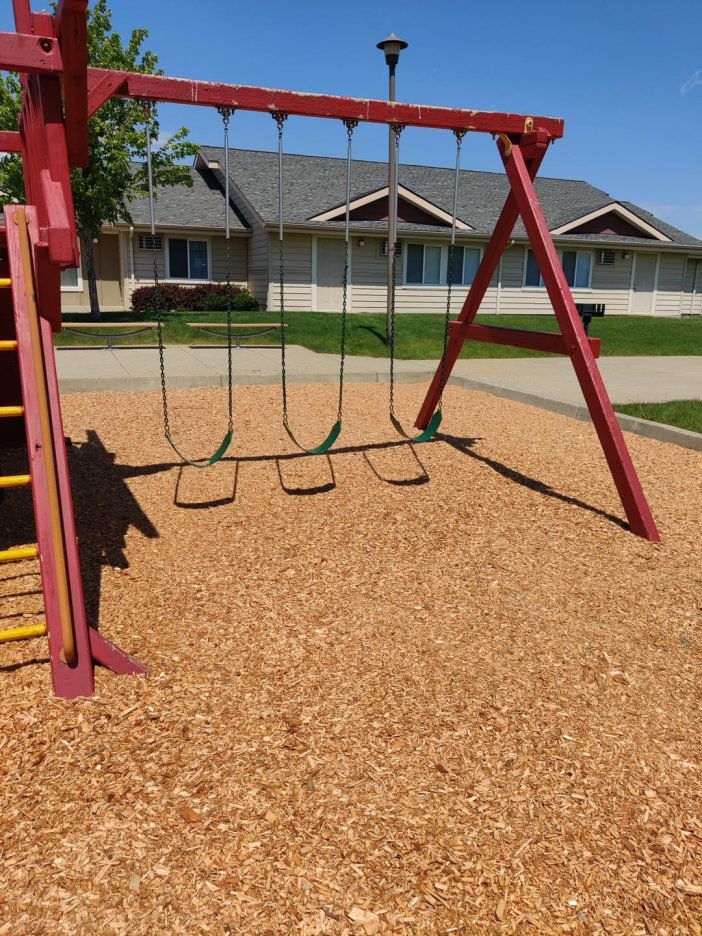
Why Specialized Wood Fibers Absorb Falls Better
Certified playground wood chips are designed to cushion impact better than hard surfaces such as concrete, asphalt, compacted soil, or stone. Loose-fill wood material helps absorb energy by allowing movement, compression, and displacement during impact.
That energy absorption is what helps reduce force during a fall.
A proper playground wood chip system can help with:
- Impact absorption
- Safer play zones
- Better drainage than some compacted surfaces
- Natural appearance
- Bulk coverage for large areas
- Easier replenishment
- Cost-effective maintenance
- Lower surface heat than some synthetic materials
Alpine Bark Blowing’s playground wood chips are made from virgin wood, not used pallets or construction debris, which supports a cleaner and more dependable play surface choice.
Certified Playground Wood Chips vs. Regular Mulch
The difference between certified playground wood chips and regular bark mulch is not only appearance. The difference is purpose.
Regular landscape mulch is designed for planting beds, weed control, moisture retention, and curb appeal.
Certified playground wood chips are designed for play-area surfacing where impact absorption and material consistency matter.
For public and commercial spaces, the safer choice is to use material intended for playground use, then maintain it according to the equipment height and use-zone requirements.
The Role of Use Zones
A compliant playground surface does not stop directly under the equipment. Surfacing needs to extend through the use zone where children are expected to fall, jump, swing, slide, or land.
Use zones vary based on equipment type. A swing area, for example, needs more room in front and behind the swing path than a small stationary play panel.
A strong risk-management plan should review:
- Equipment height
- Fall zones
- Swing clearance
- Slide exits
- Border containment
- Drainage
- Material depth
- Accessibility routes
- Maintenance schedule
- Refill plan
A certified material is only one part of the safety system. Layout, depth, containment, and upkeep all matter.
Why Depth Maintenance Is a Liability Issue
Loose-fill surfacing moves. Children kick it, drag it, dig in it, and displace it under swings and slide exits. Weather and foot traffic can compact it. Snow, rain, and freezing conditions can also affect performance.
CPSC guidance notes that loose-fill surfacing performance can be reduced by compaction, deterioration, freezing, lack of drainage, and lack of maintenance.
For property owners, this means inspections should focus on high-use zones such as:
- Under swings
- At slide exits
- Below climbing structures
- Around transfer platforms
- Under overhead ladders
- Near playhouse entrances
- Around borders and edges
If the material gets thin, compacted, or displaced, the playground may no longer provide the intended level of fall protection.
Bulk Wood Chips for Public and Private Play Spaces
Bulk playground wood chips are often a practical choice for larger play areas because they can cover more space efficiently and can be replenished when depth drops.
Alpine Bark Blowing offers pickup, delivery, and bark blowing services for landscape materials. The company serves Idaho and Washington communities including Coeur d’Alene, Post Falls, Hayden, Liberty Lake, Spokane Valley, Greenacres, Spirit Lake, Sandpoint, Spokane, Mead, Colbert, Deer Park, and Airway Heights.
Bulk wood chips can support:
- School playgrounds
- Church play areas
- HOA parks
- Apartment communities
- Daycare yards
- Municipal playgrounds
- Campgrounds
- Private residential play sets
- Recreation facilities
- Commercial outdoor play spaces
Why Virgin Wood Matters
Playground surfacing should not be treated like random fill material. Recycled pallets or construction debris can raise concerns about contaminants, hardware, treatment chemicals, splinters, and inconsistent material quality.
Alpine Bark Blowing states that both its IPEMA Certified Playground Wood Chips and Compliant Playground Wood Chips are made from virgin wood, never used pallets or construction debris.
That product detail matters for schools, municipalities, contractors, and property managers looking for a cleaner, more professional playground surfacing material.
Risk Management for Property Owners
Playground surfacing is a safety investment. The best program includes product selection, installation planning, documentation, and maintenance.
A good playground surfacing plan should include:
- Product selection based on play area use
- Review of equipment fall height
- Proper material depth
- Use-zone coverage
- Edge containment
- Drainage planning
- Routine inspections
- Replenishment schedule
- Recordkeeping
- Fast correction of thin or displaced areas
For public and commercial properties, documentation helps show that the owner is actively managing playground safety.
When to Replenish Playground Wood Chips
Replenishment may be needed when:
- Ground fabric or hard soil becomes visible
- Swings have low spots underneath
- Slide exits are worn down
- Material has compacted heavily
- Borders no longer hold enough depth
- Drainage has moved chips away
- Seasonal maintenance reveals thin areas
- Annual safety checks show depth loss
Fresh playground wood chips help restore depth and cushioning. For large areas, using the Alpine Bark yardage calculator can help estimate material needs before ordering.
Choosing the Right Playground Surfacing Partner
The right supplier should provide more than a pile of chips. A strong partner helps with product selection, bulk supply, access planning, delivery, and efficient installation.
Alpine Bark Blowing supports homeowners, contractors, and commercial clients with premium landscape materials, delivery, pickup, wholesale supply, and blower installation services.
For playground projects, that support can help reduce manual labor, simplify bulk ordering, and keep project schedules moving.
Building Safer Play Spaces Across North Idaho and Eastern Washington
Playground safety starts below the equipment. Certified playground wood chips help create a softer, more natural play surface while supporting fall-height safety planning, compliance goals, and long-term risk management.
For certified playground wood chips, IPEMA certified mulch, playground surfacing material, bulk wood chips, or playground safety compliance support, contact Alpine Bark Blowing or explore wood chips to choose the right material for a public, commercial, or private play space.
IPEMA & ASTM FAQs
What are certified playground wood chips?
Certified playground wood chips are wood-based loose-fill surfacing materials intended for play areas. IPEMA certified options are third-party validated to applicable playground surfacing standards such as ASTM F1292 and ASTM F2075.
What does IPEMA certified mulch mean?
IPEMA certified mulch means the playground surfacing product has gone through third-party validation for conformance with recognized playground safety standards. IPEMA certifies surfacing to standards such as ASTM F1292, ASTM F3351, and ASTM F2075.
What is ASTM F1292?
ASTM F1292 is the standard that establishes impact attenuation criteria and procedures for determining the critical fall height of playground surfacing materials.
Are regular wood chips safe for playgrounds?
Regular wood chips are not always designed or tested for playground safety. Public and commercial play areas should use playground surfacing material intended for fall protection and maintained at the proper depth.
Where can property owners order bulk playground wood chips near Coeur d’Alene or Spokane?
Alpine Bark Blowing supplies IPEMA Certified Playground Wood Chips and Compliant Playground Wood Chips for playgrounds, swing sets, and recreational spaces across North Idaho and Eastern Washington.